Davos marks the start of a year-long conversation
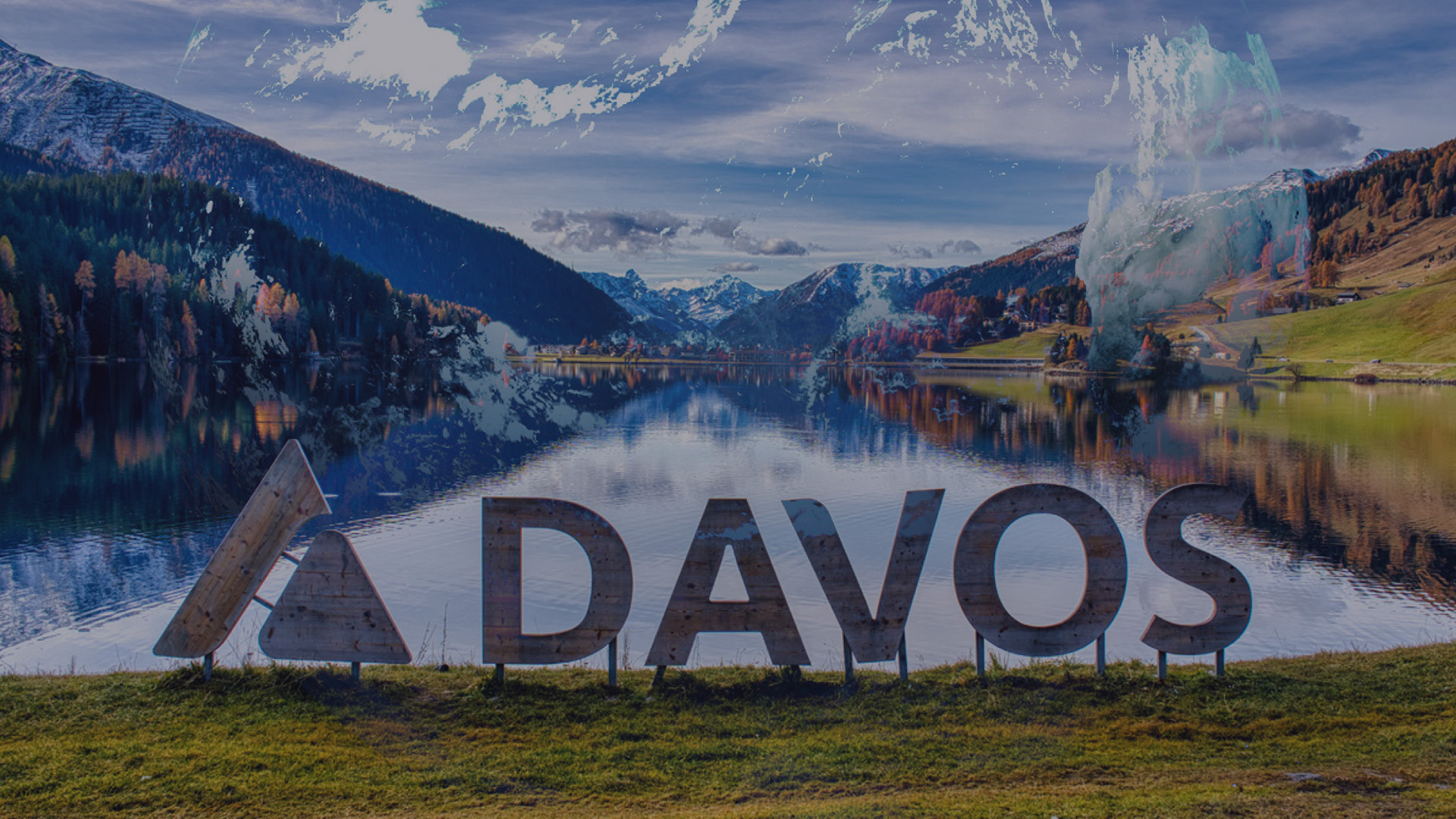
The organisations that achieve the greatest impact at the World Economic Forum Annual Meeting understand that Davos is not an isolated event. It is one – albeit very important – milestone in a much longer global conversation that continues through the year across forums including the UN General Assembly, the COPs, regional summits and sector-specific gatherings.
The familiar narrative of declining trust in science tells only part of the story. Research involving more than 71,000 people across 68 countries shows that trust in scientists remains moderately high. However, confidence in the information people receive about science is more fragile. In the UK for example, only 40% of people feel confident that what they hear about science is generally true.
While the topics dominating global discussions evolve, the underlying themes remain remarkably consistent. Issues such as economic competitiveness, technological disruption, energy security, climate change, geopolitical stability, public trust and supply-chain resilience consistently reoccur and are increasingly interconnected.
And that is why the theme for WEF 2027 is ‘Deliberate Conversations on the Future’, aiming to address all these issues. In turn, that means organisations need to develop a clear and consistent narrative across the relevant discussions to ensure they are well positioned to build relationships, strengthen credibility and advance their strategic objectives.
Davos remains uniquely important because it brings together the people who shape the agenda. With approximately 3,000 leaders, 800 CEOs and chairs, hundreds of side events and a dense network of formal and informal interactions, it offers an unparalleled opportunity to engage stakeholders on the issues that matter most.
This is relevant to three different groups of organisations.
Companies participating in the official WEF programme can use Davos to launch and reinforce their strategic narratives. NGOs, international organisations and civil society groups operating across the broader Davos ecosystem can use the week to build coalitions, influence policy conversations and elevate priority issues.
And finally business and organisations that invest significantly in receptions, pavilions, thought leadership platforms and side events outside the official programme can maximise their return by ensuring those activities are connected to a longer-term engagement strategy rather than just being standalone activities.
The challenge is being remembered after Davos ends. That requires a clear narrative, disciplined stakeholder engagement and consistency across every major global forum throughout the year, while having the flexibility to allow your narrative to evolve.
Leidar’s senior advisors have supported organisations participating in the Davos ecosystem for more than two decades, helping clients develop narratives and engage stakeholders, and, in the following months, maintain momentum.
If you would like to discuss how your organisation can build a strategic narrative that works for Davos and beyond, please contact Lukasz M Bochenek at lukasz.bochenek@leidar.com.
About Leidar
Leidar is an international leadership and corporate affairs consultancy, headquartered in Geneva with offices in Brussels, London, Oslo, Washington, New York, Singapore and Dubai. Leidar supports organisations in defining their strategic direction, managing complex issues, and mastering their communications and engagement needs. The firm works across sectors including energy, public health, aviation, shipping, and sustainability.
For more information, please contact
Peter de Graaf
Senior Advisor, ESG and Sustainability based in London
Peter heads up the sustainability reporting work for Leidar and works across the offices in Geneva, Brussels and London. He has been involved in sustainability throughout a career that includes regulatory affairs, management consultancy and finance.